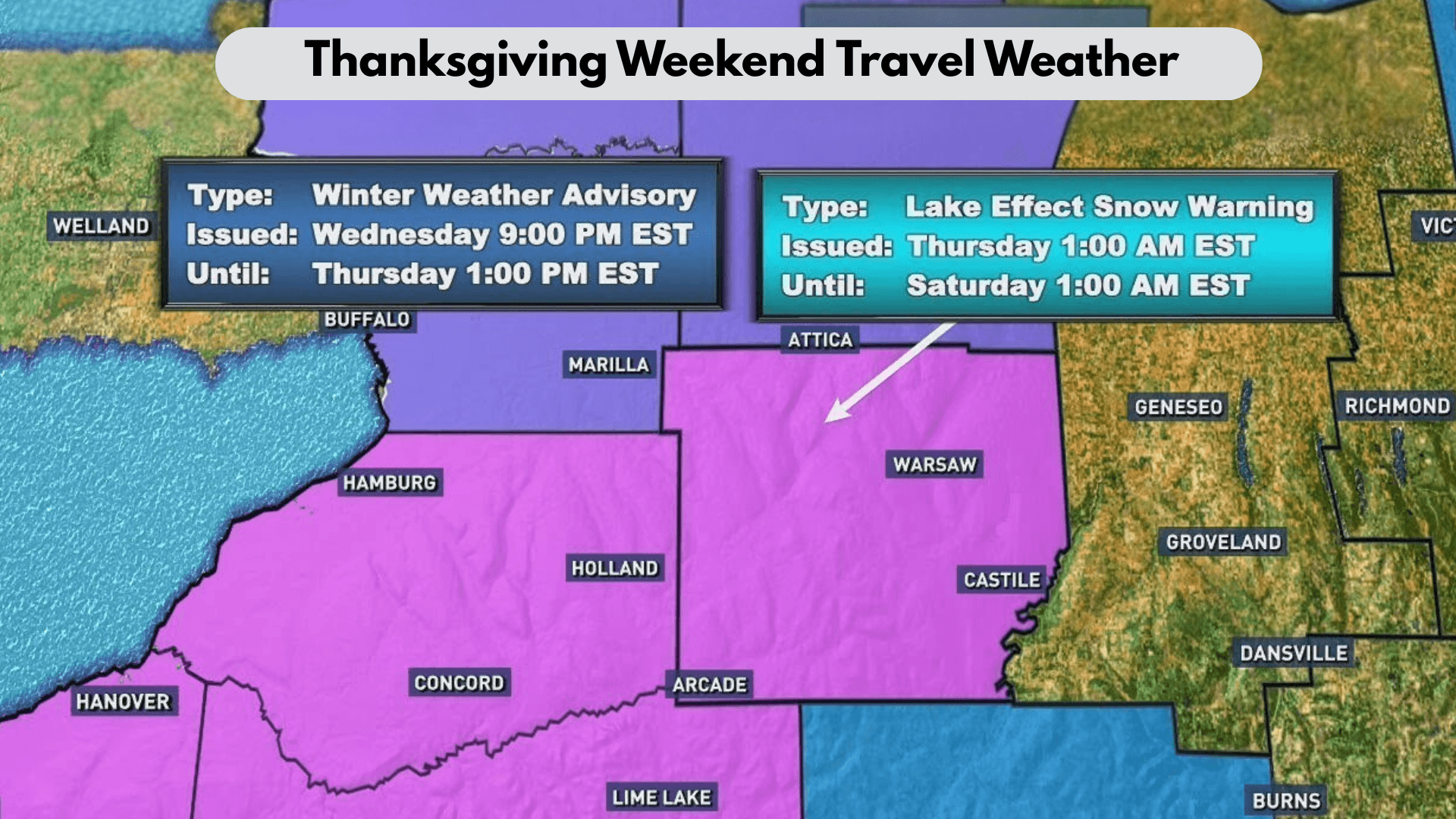
Thanksgiving Weekend Travel Weather
The North will face snow, strong winds and slick roads as a new winter storm tracks across the Plains, Midwest, Great Lakes and parts of the interior Northeast. At the same time, the South and East will see bands of soaking rain and some thunderstorms, especially near the Gulf Coast and along the Atlantic side.
This mix means different problems in different places: snow and ice for drivers and flyers in the North, and wet, storm‑related delays for many in the South and East. If you understand what your region faces, you can adjust times, routes and even your travel day.
Why Each Day Matters Weather Tomorrow
People often ask, “Will the storm ruin my trip?” The better question is, “What is the weather tomorrow along my route and at my airport?” Winter systems move, grow and weaken from day to day, so small timing shifts change travel a lot.
Check the local forecast the night before and again a few hours before you leave home. Focus on simple words: snow, rain, wind, fog, and how far you can see on the road or runway.
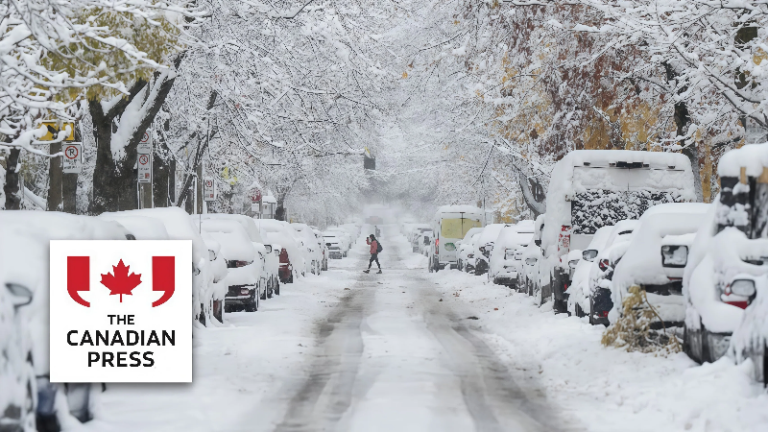
Heavy Snow Brings Power Outages and School Closures in Quebec Today: Thanksgiving Weekend Travel Weather Second Winter Storm, Soaking Rain AheadTravel Weather Forecast Second Winter Storm Ahead
This second storm follows close behind earlier Thanksgiving week systems, so roads and runways may already be cold and wet when new snow arrives. That raises the risk of ice forming quickly, even if snow totals do not look huge on paper.
Heavier snow is likely from the northern Plains into the Upper Midwest and Great Lakes, with some spillover into higher ground of the interior Northeast. Gusty winds will blow this snow around, cutting visibility and creating drifts on open highways.
Travel Weather Forecast Second Winter Storm Ahead USA Key Zones
In the USA, several major travel corridors sit right under this storm track. Interstates like I‑90, I‑94, I‑80 and parts of I‑35 through the northern tier may see long stretches of snow‑covered or slushy pavement.
Airports such as Minneapolis–St. Paul, Chicago O’Hare and Midway, Detroit, Milwaukee and some Great Lakes regional hubs are more likely to see delays or cancellations. If you connect through these hubs, your trip can be affected even when your home city has blue sky.
Travel Weather For Christmas Tells You
This Thanksgiving storm does not “decide” Christmas, but it does show that cold air and active storm tracks are already in place. Seasonal outlooks point to more chances of winter systems crossing the country, especially across northern and eastern states.
So whatever you practice now—checking forecasts, leaving early, keeping backup plans—will also help when you travel for Christmas or New Year. Treat this weekend as a rehearsal for safer, smarter holiday travel.
Travel Winter Storm Staying Safer On The Road
Driving in a travel winter storm is never fun, but some basic habits reduce risk. Slow down more than feels natural, increase the distance to the car in front, and avoid sudden braking or sharp turns.
Blanket, warm clothes, water, snacks, flashlight, scraper, phone charger and basic medicine. Tell someone your route and target arrival time, especially for night or rural drives.
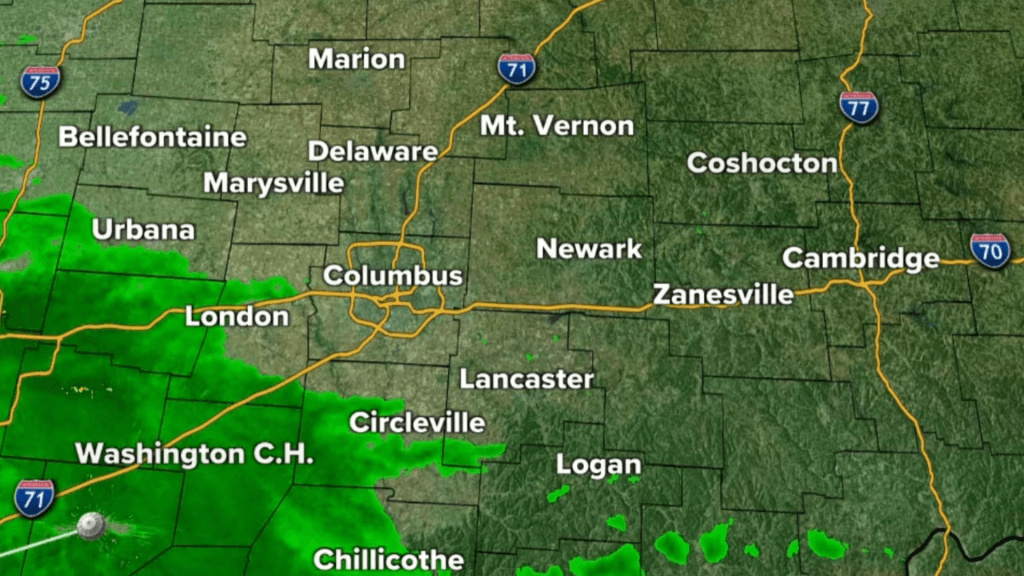
Travel Forecast For Next Week Shifting Your Plans
Looking at the travel forecast for next week can show you better windows around the storm. For example, if the strongest snow hits Sunday, leaving Monday instead may give you clearer roads and fewer flight delays.
Use 7‑ to 10‑day outlooks to see if more storms follow behind this one. They are not perfect, but they do highlight “stormy” versus “quiet” periods so you can choose smarter dates when you have flexibility.
Travel Weather Predictions To Expect, Not Exact
Travel weather predictions are good at flagging storm threats several days ahead, but finer details often change. Snow amounts can go up or down, rain can shift north or south, and storm timing can shift by many hours.
Use predictions to plan at a high level—will conditions likely be wintry, wet or mostly dry. Then rely on short‑term updates 24–48 hours before travel for exact timing on when snow or heavy rain is most likely.
Winter Storm Travel Forecast Road Or Air?
A clear winter storm travel forecast helps you choose between driving or flying. Sometimes a long drive around the worst weather or on a quieter day is safer than hoping your short flight is not delayed for hours.
Other times, when roads are expected to be icy over a wide region, a well‑timed flight that slips between snow bands is the better choice. Look at the whole journey: door to door time, stress, cost, and your comfort driving in winter.
Travel Weather Forecast Northeast
The Northeast often has sharp contrasts over short distances. Coastal areas might see chilly rain and strong winds, while inland spots get heavy wet snow, and the zone in between deals with messy ice and sleet.
Highways such as I‑95, I‑84 and I‑90 can quickly clog with slow traffic when heavy rain or snow hits during busy travel times. Airports in Boston, New York and Philadelphia are extra sensitive to low clouds, wind and crowded schedules, raising delay chances.
Winter Travel Forecast For The Season
The wider winter travel forecast for this year points to a mix of stormy stretches and calmer breaks, not constant severe weather. Northern and interior eastern states have higher odds of snow events, while southern and coastal regions lean toward heavy rain and storms.
If you take several trips each winter, some will be easy and others will line up with storms. Making good habits—like always checking the forecast and leaving wiggle room in plans—reduces stress across the whole season.
Winter Travel Weather Habits That Help
Good winter travel weather habits are basic but powerful. Always check the forecast along your route, not just at home and at your destination, because trouble often lies in the middle.
Never try to “beat” a storm just to save a few hours. If conditions look worse than expected, be ready to pull over, wait in a safe place, or change your plan.
Weather Travel Outlook Tools You Can Use
For a fast weather travel outlook, combine three things: a national radar or satellite map, local forecasts for key cities, and real‑time road or airport updates. The map shows where the storm is, the forecasts show what it will do, and the updates show real impact now.
Many states post live traffic cameras, and airlines share delay and cancellation dashboards. A quick look helps you judge if conditions match the forecast or if trouble is spreading faster than expected.